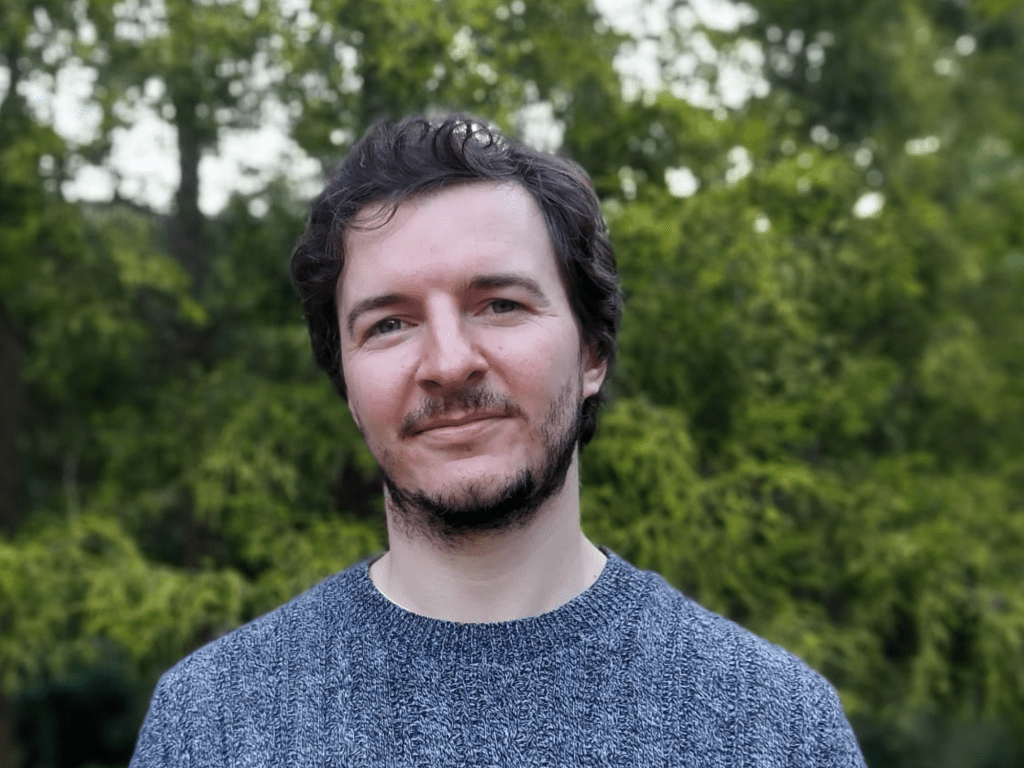
Tadhg Ó Laoghaire
(Durham University; CIJRN Coordinator)
tadhg.o’laoghaire@durham.ac.uk
Bio
Tadhg is a political philosopher working primarily on questions of international justice. His current project is to develop the first comprehensive philosophical treatment of China’s role in the international order. His work has featured in journals such as Philosophy & Public Affairs, Journal of Political Philosophy, and Critical Review of International Social and Political Philosophy.
Tongdong Bai
(Fudan University)
baitongdong@fudan.edu.cn
Bio
Dr. Tongdong Bai is the Dongfang Chair Professor of Philosophy at Fudan University in China, and a member of the Pontifical Academy of Social Sciences. His research interests include Chinese philosophy and political philosophy. He has two books published in English: China: The Political Philosophy of the Middle Kingdom (Zed Books, 2012), and Against Political Equality: The Confucian Case (Princeton University Press, 2019). He is now working on the philosophy of Han Fei Zi (c. 280-233 BCE), a “Legalist” and a harsh critic of Confucians, as well as a real-life princeling who is often compared with Machiavelli and Hobbes. He is also the director of an English-based MA and visiting program in Chinese philosophy at Fudan University that is intended to promote the studies of Chinese philosophy in the world.

Severino Bonvini
(Tsinghua University)
severinobonvini@gmail.com
Bio
Having graduated from Durham University in 2025 with a BA in Philosophy, Politics and Economics, I am now pursuing a MA in Chinese Politics, Foreign Policy and International Relations at Tsinghua University, Beijing. My current research interests include nuclear and space arms control, alliance politics, and UK–China engagement. Given my philosophy focus during my undegraduate studies, I also have broader interests in moral philosophy and epistemology.

Philippe Brunozzi
(TU Dortmund)
philippe.brunozzi@tu-dortmund.de
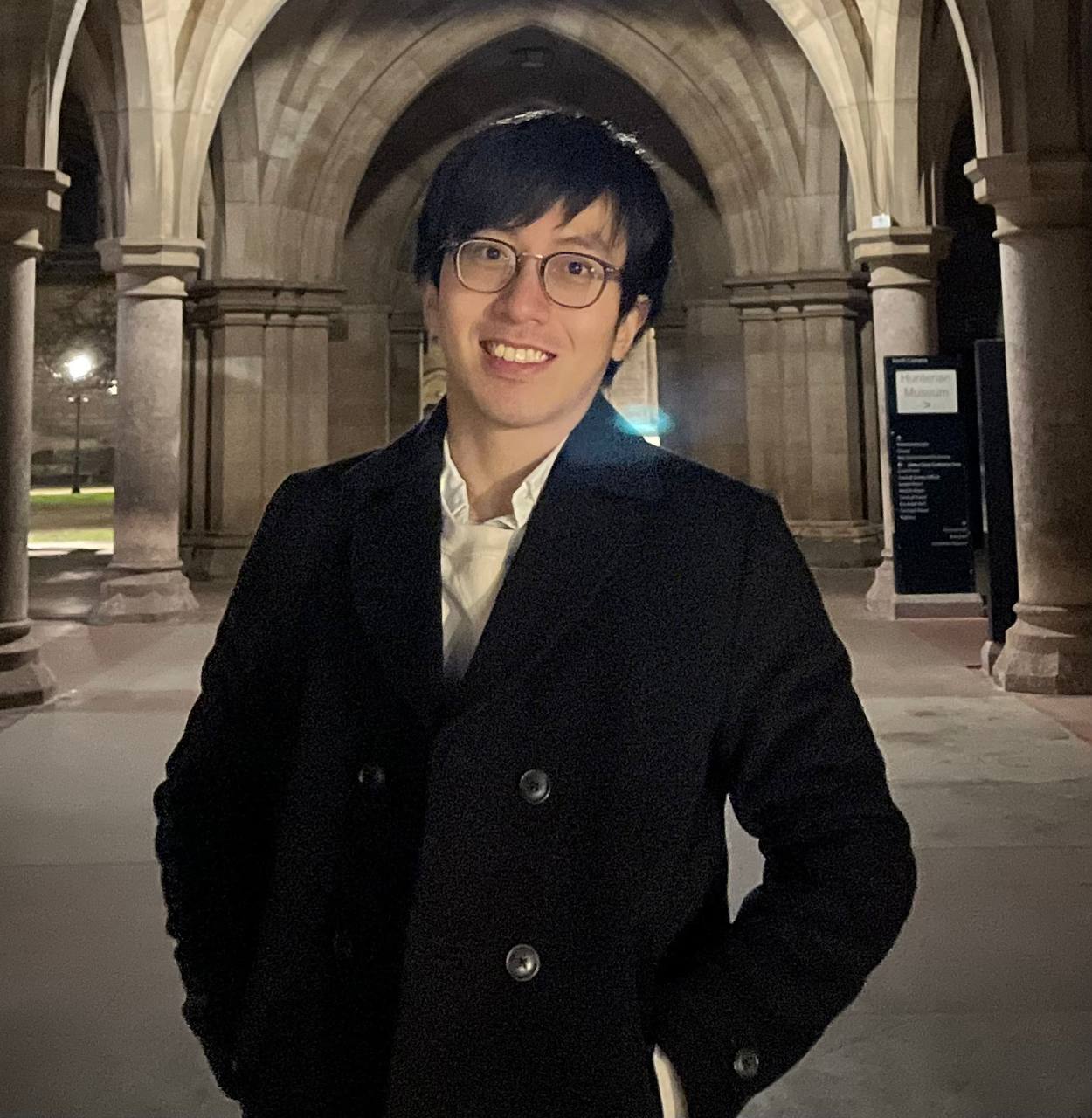
William Chan
(Cambridge University)
wc382@cam.ac.uk
Bio
Dr William Chan is a Teaching Fellow at the Leverhulme Centre for the Future of Intelligence, University of Cambridge. He is also a Visiting Researcher at Newcastle University. He previously taught and researched at the Universities of Southampton, Manchester, Hertfordshire, London and Warwick. Dr Chan specialises in AI ethics and democratic theory in both the Anglo-American and Chinese traditions. Linkedin Profile: https://www.linkedin.com/in/william-chan-0a1643107?utm_source=share&utm_campaign=share_via&utm_content=profile&utm_medium=ios_app

Julian Culp
(American University of Paris)
jculp@aup.edu
Daniel Hutton Ferris
(Newcastle University)
daniel.huttonferris@newcastle.ac.uk
Bio
I’m a democratic theorist with an interest in the political theory and practice from beyond Eurpoe and its settler colonies. I’ve written about Kang Youwei’s theory of global justice and democracy for the Journal of Comparative Political Theory (https://eprints.ncl.ac.uk/290342).

Tarun Gidwani
(Kings College London)
tarun.gidwani@kcl.ac.uk
Baogang He
(Deakin University)
baogang.he@deakin.edu.au
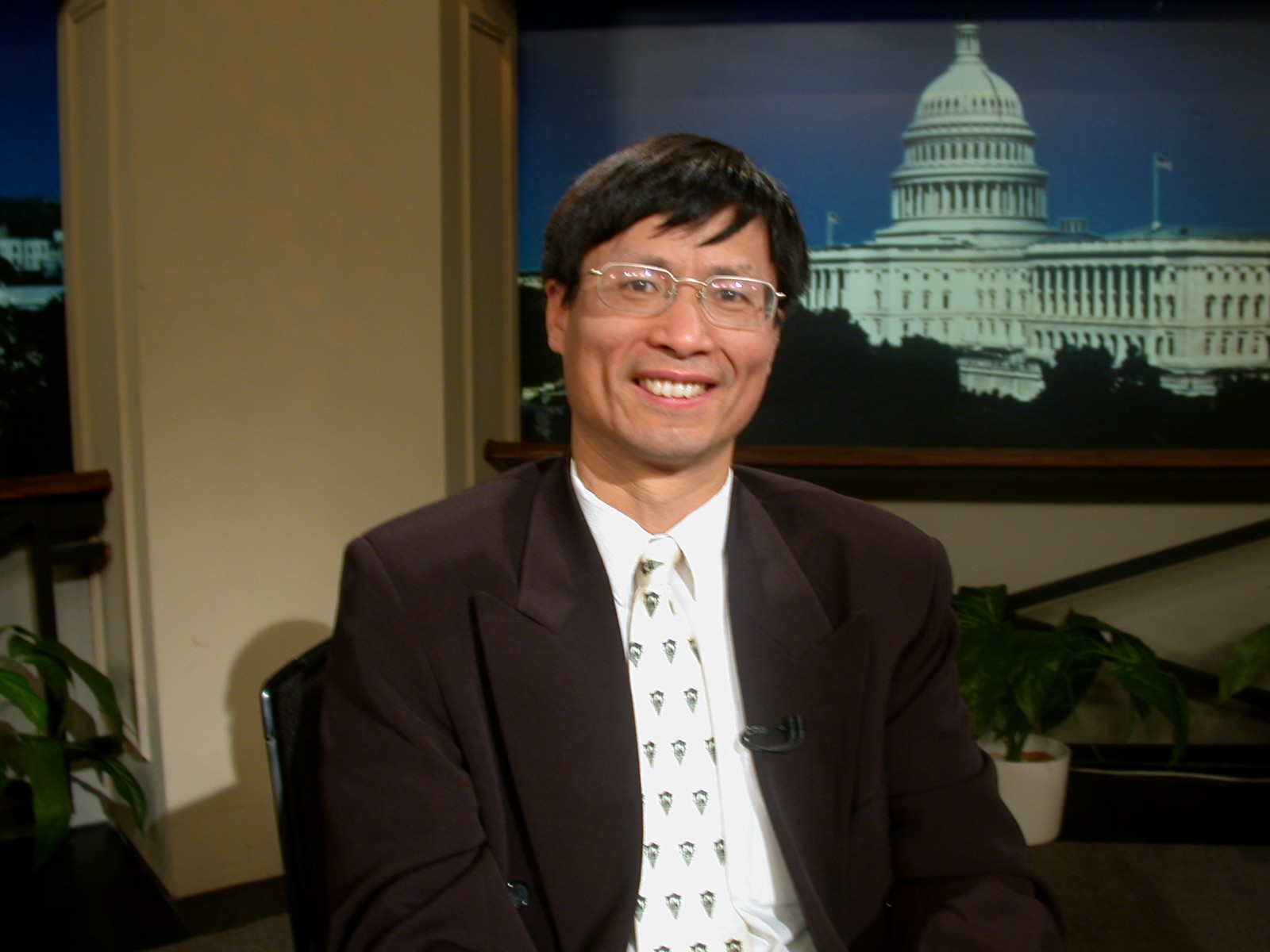
Bio
Baogang He (Ph.D, ANU 1994) is Distinguished Professor at Deakin University, and the Fellow of the Academy of Social Sciences in Australia. Professor He is widely known for his work in Chinese politics, in particular the deliberative politics in China as well as in regionalism, international relations, federalism, and multiculturalism in Asia. His publications are found in top journals including Science, British Journal of Political Science, Journal of Peace Research, Political Theory, Political Studies, and Perspectives on Politics. His published books include The Democratisation of China, The Democratic Implications of Civil Society in China, Rural Democracy in China, and Governing Taiwan and Tibet. His recent co-authored books include China’s Galaxy Empire: Wealth, Power, War and Peace in the New Chinese Century, John Keane and Baogang He (Oxford: Oxford University Press, 2024), Comparative Federalism in Asia (Baogang He, Michael Breen and Laura Reumann, Routledge, June 2023). His recent edited books include Australia in World Affairs, 2016–2020: A Return to Great-Power Rivalry, editors: Baogang He, David Hundt, and Danielle Chubb, Cambridge: Cambridge University Press, 2024, Deliberative Democracy in Asia, (editors Baogang He, Michael Breen and James Fishkin), Routledge in 2021, and China and North Korea’s Human Rights (editors Baogang He, David Hundt, Chengxin Pan), Routledge, 2021.
Otavio Maciel
(Universidade do Distrito Federal)
otavio.maciel@undf.edu.br
James Pattison
(Manchester University)
james.pattison@manchester.ac.uk
Bio
James Pattison is a Professor of Politics at the University of Manchester. His is co-Lead Editor, with Prof Ulrich Petersohn, of the Journal of Global Security Studies. He is currently working on a project that considers the ethical challenges posed by rising global authoritarianism.
Jakub Szczepański
(Jagiellonian University)
jakub.szczepanski@uj.edu.pl
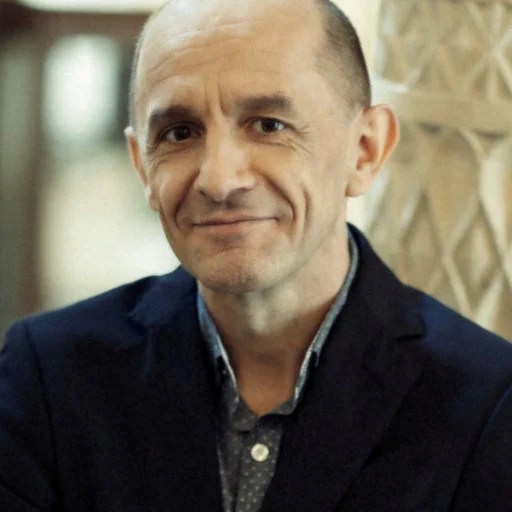
Bio
Jakub Szczepański is a habilitated doctor (dr hab.) of philosophy and Associated Professor at the Institute of Philosophy, Jagiellonian University (Kraków). He is the author of several books, including: Political Power of Judgment (pl.), Immanuel Kant’s Political Philosophy (pl.), and Metamorphosis: Kant on Political Transformation in a Teleological Perspective (pl.). His research specializes in political philosophy, with particular emphasis on the thought of Immanuel Kant. His current work focuses on a broader critical re-examination of Western conceptions of cosmopolitanism in the context of contemporary global order.
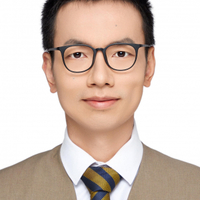
Zhichao Tong
(Sun Yat-Sen University)
tongzhch3@mail.sysu.edu.cn
Bio
Zhichao Tong is an Associate Professor of Political Theory at the School of Government of Sun Yat-Sen University. His research interests lie mainly in democratic theory. His work has been published in journals including American Journal of Political Science, British Journal of Political Science, European Journal of Political Theory, Philosophy and Social Criticism, Political Studies, and Social Epistemology.
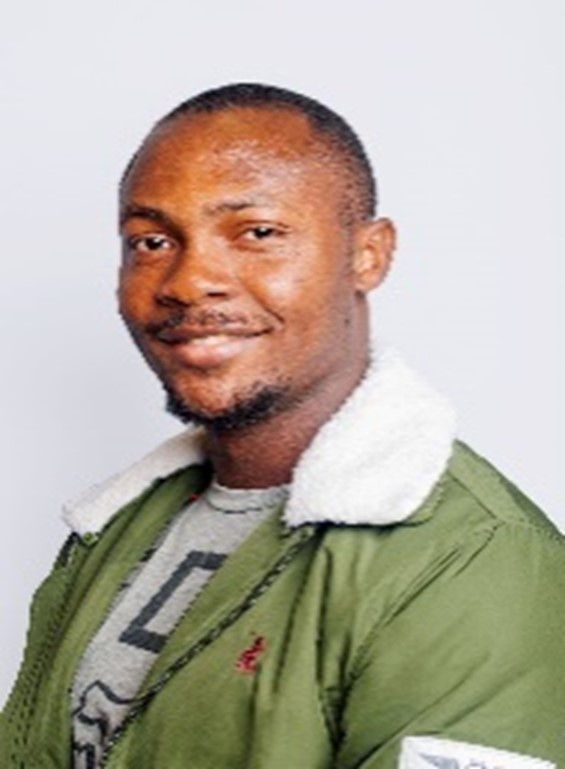
Edmund Terem Ugar
(University of Johannesburg)
teremedmund@gmail.com
Bio
I am an AI ethics and governance expert, specialising in ethical design, deployment, and governance of AI systems in healthcare (public health and mental health). I hold a PhD (by publication) from the University of Johannesburg, where my research addresses algorithmic bias, discrimination, patient moral agency, and data ethics. My work advances Afro-relational ethics as a human-centred, context-sensitive framework that guides responsible AI innovation in African and global healthcare systems. Areas of expertise include: Responsible AI & governance in healthcare, Algorithmic bias, fairness, and discrimination; data ethics & value-sensitive design; technology transfer & value colonialism; sociotechnical impacts of AI in African contexts; digital mental health interventions, and cultural sustainable innovations in Africa. I have published peer-reviewed articles and policy papers, received competitive scholarships, and presented at international conferences. Beyond research, I engage in global policy and industry conversations to ensure AI is ethical, equitable, and culturally grounded. Open to: policy engagement, advisory roles, research collaborations, and consulting in responsible AI, healthcare ethics, and emerging technologies.
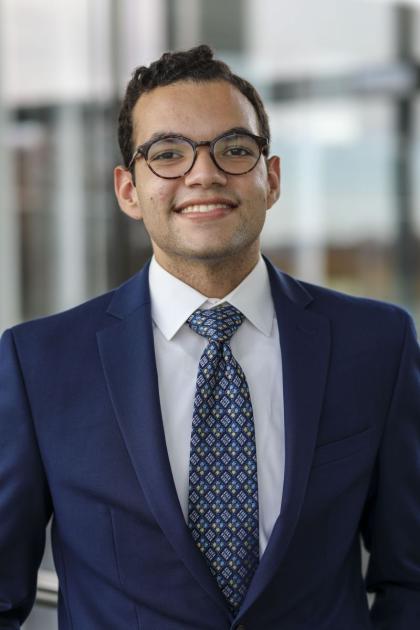
Ezekiel Vergara
(University of Pennsylvania)
evergara@sas.upenn.edu
Bio
Ezekiel Vergara is a fourth-year Ph.D. candidate in the University of Pennsylvania’s Department of Philosophy. Vergara’s research interests primarily lie in political philosophy, ethics, and metaethics. He is currently working on a project that considers the relationship between global justice and economic foreign policy. He has published work in the Journal of Global Ethics. Prior to beginning his doctoral studies, Vergara worked as a researcher at the Yale Program on Financial Stability. He published several case studies in the Journal of Financial Crises. Vergara completed his undergraduate degree at Dartmouth College, where he studied Philosophy and Government.
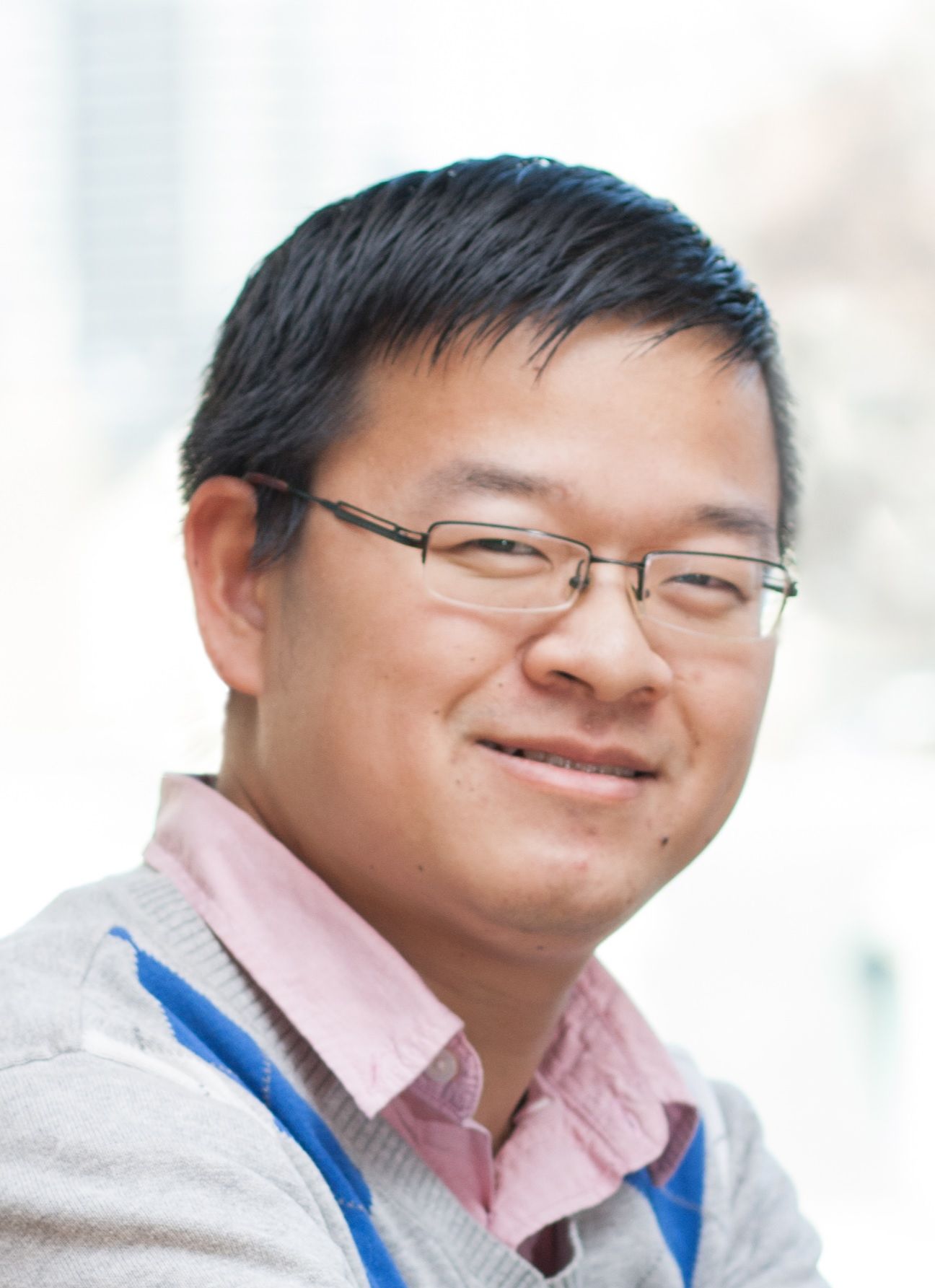
Binfan Wang
(Wuhan University)
wangbinfan@whu.edu.cn
Bio
Binfan Wang is an assistant professor in the School of Philosophy, Wuhan University. He received his PhD from the department of political science, University of Toronto. His dissertation is titled “All-Under-Heaven: A Confucian Theory of Global Justice.” His research interest includes the comparison between ancient Chinese thought and contemporary Western political theory.

Thomas Wells
(Leiden University)
t.r.wells@phil.leidenuniv.nl

Hengfeng Zhao
(University of Leeds)
pthz@leeds.ac.uk
Bio
Based at the University of Leeds, I am a doctoral researcher exploring the spread of authoritarian norms in non-Western regions. My PhD research focuses on the Shanghai Cooperation Organisation, using set-theoretic methods and case studies to understand how member states adapt counter-terrorism and anti-separatism norms into their local laws and societal discourse. My recent work, forthcoming in Global Studies Quarterly, empirically analyses the reception of Chinese and Russian norms regarding human rights and non-intervention across 28 non-Western middle powers. This study explains international responses to China’s policies in Xinjiang and Russia’s military operations in Ukraine. In current collaborative and ongoing work seeking to make sense of the crisis of the Liberal International Order, I view this not just as a political shift but as a hegemonic crisis of (neo)liberalism, the ‘spirit’ that naturalises global capitalism’s relationship with expropriation, ecology, public power, and social reproduction. This research argues that despite this crisis, neoliberal ideologies show few signs of withering away (even) in the non-Western world.
 China and International Justice Research Network (CIJRN)